
Browse Category by Online gambling

Online gambling

Online gambling

22bit vagy Energycasino: melyik fizet gyorsabban?

22bit vagy Energycasino: melyik fizet gyorsabban?

A válasz a kifizetésen, a bonusz típusok ellenőrzésén, a biztonságon, a 22bit és az Energycasino fizetési módjain, valamint a játékosvédelem gyakorlatán múlik. Egy gyors kaszinó nemcsak gyors utalást jelent. A döntő pont az, mennyi ideig tart az ellenőrzés, van-e belső jóváhagyás, és melyik fizetési útvonalat engedi a rendszer. A 22bit és az Energycasino között ezért nem elég az ígéretet nézni. A valós tempót az ügyfélazonosítás, a feldolgozási ablak és a pénzügyi szabályok együtt adják. Az alábbi ellenőrző lista öt szempontból hasonlítja össze őket.

1. Ellenőrzés kész? Passz vagy bukás

Passz: a számla teljesen ellenőrzött, és a dokumentumok elfogadva.

Bukás: hiányzik az azonosítás, így a kifizetés várakozik.

22bitnél a gyorsaság csak akkor érvényesül, ha a játékos előre feltöltötte az iratokat. Energycasinónál ugyanez a logika él: a belső jóváhagyás gyakran gyors, de a KYC megakaszthatja a folyamatot. Aki azonnali pénzmozgást keres, annak ez az első kapu. Ha itt hiba van, minden más másodlagos.

2. Kifizetési tempó rendben van? Passz vagy bukás

Passz: a feldolgozás néhány órán belül indul.

Bukás: a kifizetés 24 órán túl is függőben marad.

A 22bitnél a belső feldolgozás a döntő. Energycasino esetén a tempó szintén a kiválasztott módtól függ. Ezt nem érzésre kell mérni, hanem időbélyegekkel. A legjobb értékeléshez nézd meg a kérés időpontját, a jóváhagyás pillanatát, és azt, mikor érkezik meg a pénz a számlára. A különbség gyakran nem a kaszinó nevében, hanem a csatornában van.

3. Fizetési módok szélessége elég? Passz vagy bukás

Passz: több aktív befizetési és kifizetési út van.

Bukás: kevés opció, lassú banki út, szűk választék.

Az Energycasino általában szélesebb fizetési palettával dolgozik, míg a 22bitnél a fő kérdés az, melyik módszer támogatja a gyorsabb jóváhagyást. Kártya, e-pénztárca, banki átutalás: mind más tempót ad. A legjobb választás nem mindig a legnépszerűbb. A rövidebb várakozás sokszor az azonnal jóváírt befizetésből, majd az ugyanazon csatornán indított kivételből jön.

4. Bonusz típusok lassítanak? Passz vagy bukás

Passz: a bónusz nincs aktív terhelés alatt kifizetéskor.

Bukás: a bónuszforgalom még fut, ezért a pénz megáll.

Ez a pont különösen fontos a 22bit és az Energycasino összevetésében. Egy jó üdvözlő ajánlat vagy újratöltési bónusz nem gond, amíg a játékos tudja, milyen feltételek blokkolják a pénzmozgást. A gyors kifizetéshez tiszta számla kell. Ha a bónusz még nincs teljesítve, a platform jogosan lassít. Itt a gyorsaság ára az átláthatóság.

5. Játékosvédelem és biztonság együtt gyorsít? Passz vagy bukás

Passz: erős biztonsági ellenőrzés, mégis gördülékeny folyamat.

Bukás: túl sok manuális vizsgálat, ami elnyújtja az utalást.

A biztonság nem ellensége a sebességnek, de a túl sok kézi lépés igen. A 22bit és az Energycasino esetében az a jobb, amelyik automatikusan szűri a kockázatot, és csak gyanús esetben áll meg. A játékosvédelem szintje is számít: a limitek, a forrásellenőrzés és a felelős játék eszközei mind beleszólnak az időbe. Gyors kifizetés csak rendezett profilból lesz.

6. Skrill-alapú útvonal gyorsabb? Passz vagy bukás

Passz: a pénzmozgás e-pénztárcán keresztül zajlik, és a számla ellenőrzött.

Bukás: a banki lánc hosszabb, vagy a névellenőrzés eltér.

Ha a gyorsaság az elsődleges cél, a 22bithez illő Skrill megoldás gyakran erős referencia. A módszer tempója akkor jön ki igazán, ha a játékos ugyanazzal az azonosított névvel használja a számlát. Az Energycasino is profitálhat ebből az úthálózatból, de a végső időt a jóváhagyási rutin dönti el. A gyors pénz nem varázslat. Fegyelmezett számla.

Értékelési skála: 5 passz = a legjobb érték; 4 passz = gyors; 3 passz = közepes; 2 passz = lassú; 1 passz = kerülendő.
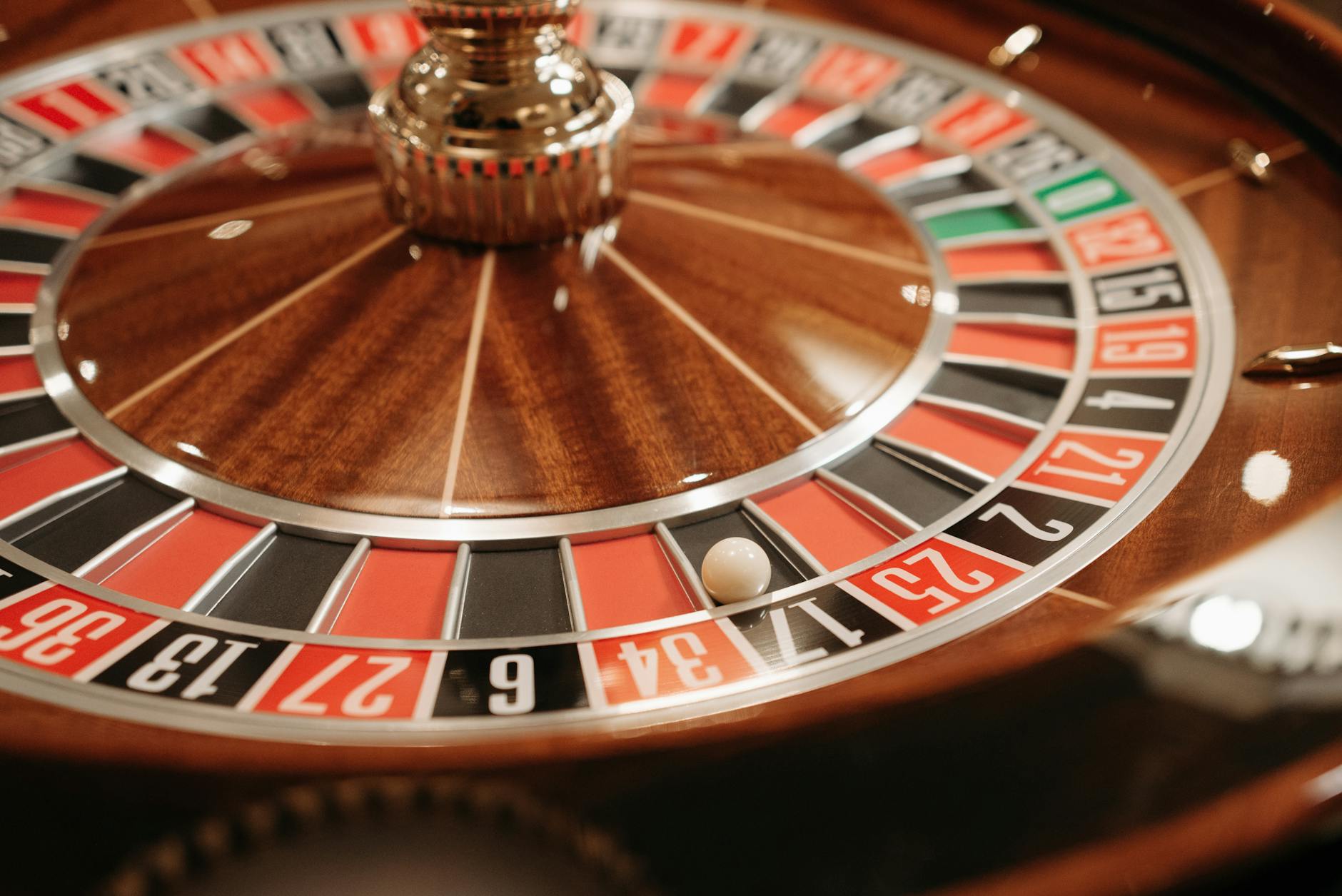
Online gambling

Як обрати портсигар за матеріалом і дизайном

Як обрати портсигар за матеріалом і дизайном

Портсигар давно перестав бути лише утилітарною річчю для зберігання сигарет. Сьогодні це ще й акуратний подарунок, який легко поєднати з запальничкою Zippo, кардхолдером або навіть невеликою флягою в одному комплекті. Якщо дивитися на вибір практично, то перше, з чого варто починати, — це матеріал, форма і те, як річ лежить у руці; саме так зазвичай підбирають подарункові аксесуари, коли хочуть, щоб вони служили довго і виглядали доречно. Для орієнтиру в темі корисно подивитися поради про подарункові аксесуари, а далі вже звіряти їх із власними вимогами до портсигара.

З чого починається вибір портсигара

Я завжди раджу дивитися не на зовнішній блиск, а на сценарій використання. Портсигар купують не для полиці, а для щоденного носіння, подорожей, поїздок у авто або як частину подарункового набору. Тому спершу відповідайте на три прості запитання: скільки сигарет має вміщуватися, чи потрібен захист від деформації, і чи має аксесуар виглядати стримано, чи, навпаки, з характером. Саме від цього залежить і матеріал, і тип застібки, і товщина корпусу.

У подарунковій категорії портсигар часто працює як «тихий» аксесуар: він не кричить про себе, але багато говорить про смак власника. Це ж стосується запальничок Zippo, металевих кардхолдерів і фляг — усі ці речі обирають за поєднанням користі та зовнішнього вигляду.

Метал, шкіра чи комбінований корпус

Матеріал — головний критерій, і тут немає універсальної відповіді. Якщо потрібна міцність і жорсткий захист, найчастіше беруть металевий портсигар. Він добре тримає форму, не боїться тиску в кишені чи сумці, а ще довго зберігає охайний вигляд. Для щоденного використання це дуже практичний варіант.

Шкіряні моделі виглядають м’якше й тепліше в руках. Вони пасують тим, хто любить класичну подачу й не хоче зайвого блиску. Але тут важливо дивитися на якість шкіри та швів: слабка фурнітура або тонка підкладка швидко зіпсують враження. Комбіновані варіанти, де є метал і шкіряна обшивка, часто дають найкращий баланс: корпус міцний, а зовнішність більш «подарункова».

Матеріал Переваги Кому підійде
Метал Міцність, захист від зминання, довговічність Для щоденного носіння і подорожей
Шкіра Приємна фактура, стриманий вигляд, статусність Для подарунка і класичного стилю
Комбінація Баланс міцності та естетики Для тих, хто хоче універсальний варіант

Як дизайн впливає на зручність

Дизайн у портсигара — це не тільки візерунок на кришці. Це ще й геометрія корпусу, тип відкривання, внутрішня фіксація сигарет і навіть вага. Округлі форми зручніші в кишені, але прямокутні моделі краще розміщуються в сумці та виглядають стриманіше. Якщо портсигар має щільний замок, він не відкриється випадково, а це важливо для щоденного носіння.

З власного досвіду скажу: надто декоративні моделі швидко набридають, якщо ними користуються регулярно. Натомість лаконічний дизайн із чіткими лініями довше не втрачає актуальності. Саме тому багато людей обирають портсигари, які візуально перегукуються з металевою запальничкою Zippo або тонким кардхолдером: усе виглядає зібрано, без зайвого шуму.

Портсигар як подарунок: що врахувати

Як подарунок портсигар працює тоді, коли він не виглядає випадковою покупкою. Потрібно врахувати стиль людини, її щоденні звички і те, як вона носить аксесуари. Якщо адресат любить мінімалізм, краще брати гладкий метал або темну шкіру без зайвого декору. Якщо ж йому подобаються речі з характером, можна дивитися на фактурні поверхні, контрастні вставки або гравіювання.

Добре, коли портсигар можна поєднати з іншими подарунковими речами: запальничкою, кардхолдером або флягою. Такі набори виглядають цілісно, бо об’єднані спільною логікою — компактність, міцність, щоденна користь. Саме тому в подарунковому сегменті ці аксесуари часто йдуть поруч.

На що дивитися перед покупкою

  • Місткість — скільки сигарет реально поміщається без надмірного тиску.
  • Застібка — чи закривається щільно, чи не люфтить кришка.
  • Вага — важкий корпус міцніший, але не всім зручний у кишені.
  • Обробка країв — без гострих кутів і слідів неякісної штамповки.
  • Внутрішня фіксація — сигарети не мають бовтатися всередині.
  • Зовнішній стиль — портсигар має відповідати решті аксесуарів.

Якщо купуєте не собі, а в подарунок, краще не гнатися за екзотикою. Перевірена форма й добротний матеріал майже завжди виграють у надто сміливого дизайну. Практика показує: люди частіше користуються саме тими речами, які зручно відкривати, легко чистити й не страшно носити щодня.

Як поєднати портсигар з іншими аксесуарами

Портсигар добре працює в парі з аксесуарами того ж стилю. Якщо це метал, до нього логічно підійде запальничка Zippo з подібною фактурою або кардхолдер з алюмінію чи сталі. Якщо портсигар шкіряний, тоді краще дивитися на шкіряний гаманець, обкладинку для документів або компактну флягу в темному чохлі. У таких наборах важлива не дорожнеча, а візуальна узгодженість.

Я б радив мислити не окремою річчю, а комплектом. Один акуратний портсигар, одна надійна запальничка, один лаконічний кардхолдер — і вже є подарунок, який виглядає продумано. У цьому й полягає сила хороших аксесуарів: вони не тільки виконують свою функцію, а й збирають образ власника в єдину, зрозумілу історію.

Online gambling

Mines Strategy That Picks Safer Tiles Faster

Mines Strategy That Picks Safer Tiles Faster

The mines game looks simple, but the fastest path to safer tile selection comes from probability, risk control, and board strategy rather than guesswork. In casino games, optimal play means choosing tiles with the best expected survival rate for the current board state, then stopping before payout odds turn against the player. The basic decision is always the same: open one more tile, or lock in the current result. That choice is shaped by the number of mines, the number of unopened tiles, and the cognitive bias that makes streaks feel meaningful when they are only random. A practical mines strategy starts with those numbers, not with intuition.

How the mines game creates risk on every tile

Mines is a grid-based casino game in which each tile is either safe or mined. A safe tile reveals a multiplier increase or progress toward a cash-out. A mined tile ends the round and loses the stake. The game uses a fixed board size, commonly 25 tiles, with the player choosing how many mines are hidden before play begins. More mines raise the hazard rate, which is the probability that any one unopened tile contains a mine.

In the early history of the format, mines mechanics became popular because they translated a familiar probability problem into a fast casino loop. The appeal is mathematical. If there are 3 mines on a 25-tile board, then 22 tiles are safe at the start, so the first pick has a 22/25 survival chance, or 88%. After one safe reveal, the next pick depends on the remaining tiles and remaining mines, which changes the odds every step.

Key term: expected value means the average result of the same decision repeated many times. In mines, a move can look safe in the short run while still having negative expected value if the payout increase is too small for the added risk.

Why safer tile selection is a probability problem, not a pattern problem

Players often search for patterns in tile layouts, but the board does not reward sequence hunting. Each unopened tile has the same chance of hiding a mine unless the game rules specify otherwise. That means “safe-looking” corners, edges, or center positions are not inherently better. The practical focus is on risk control: selecting tiles when the survival probability still supports the target payout.

Academic finding applied to play: humans overestimate the value of recent outcomes. In gambling psychology, this is often called the gambler’s fallacy. After several safe picks, a player may feel a mine is “due,” even though the next tile’s probability only changes because fewer tiles remain, not because the game remembers earlier results.

There is also loss aversion, another well-studied bias. A player may keep opening tiles longer than planned because cashing out feels like giving up a possible bigger win. In mines, that bias can push decisions past the point where the payout odds no longer justify the added hazard.

Three calculation points that speed up safer decisions

Fast mines play comes from checking three numbers before each pick:

  • Mines selected: higher mine counts mean higher risk on every move.
  • Safe tiles remaining: this number falls after each successful reveal.
  • Cash-out multiplier: the current payout offer for stopping now.

A simple rule is to compare survival probability against the growth of the multiplier. If the next tile adds little extra payout but removes a large chunk of survival chance, the next pick is weaker. If the multiplier jump is still large relative to the added hazard, one more tile may fit the plan.

For example, on a 25-tile board with 3 mines, the opening risk is 12% per pick. On a 10-mine board, the opening risk rises to 40% per pick. That difference changes optimal play immediately. A board with more mines usually rewards shorter cash-out paths and more conservative tile selection.

Board Type Starting Safe Tiles Opening Mine Chance Typical Risk Style
3 mines 22 of 25 12% Longer runs possible
5 mines 20 of 25 20% Balanced risk control
10 mines 15 of 25 40% Short cash-out path

For broader game design context, the volatility logic used in mines is similar to other high-variance casino formats. Provider documentation from NoLimit City mines design often highlights how multiplier growth and loss risk shape player choices in fast rounds.

What “optimal play” means in a mines round

Optimal play does not mean chasing the highest possible multiplier. It means choosing the tile sequence and stop point that best fit the current board and the player’s target risk level. In practice, that usually means a preset plan: pick a certain number of tiles, then cash out if the board survives. The plan reduces impulsive decisions.

A common mistake is changing the plan after each safe reveal. That behavior is tied to recency bias, which gives too much weight to the latest result. If five tiles have been safe, the player may assume the sixth is also likely safe, but the actual probability still depends only on the remaining board structure.

One practical method is to define a stopping threshold before the round starts. For example:

  1. Choose a mine count.
  2. Set a target number of safe tiles.
  3. Cash out immediately when that target is reached.

This method is not a guarantee of profit. It is a control system. The value lies in reducing emotional drift and keeping each decision aligned with the same probability standard.

Why the fastest safer pick is usually the first disciplined pick

Speed in mines does not come from rushing. It comes from removing unnecessary thought from the moment of selection. Once the board size, mine count, and cash-out target are fixed, the next tile choice becomes a repeatable process. That process is faster because it is rule-based.

Players who treat the board as a pattern puzzle often delay decisions while searching for meaning in the layout. Players who treat it as a risk table decide sooner. The second approach better matches how the game is built.

The strongest practical takeaway is straightforward: safer tiles are not found by superstition, lucky numbers, or visual symmetry. They are chosen by reading the mine count, tracking the remaining safe tiles, and stopping when the payout odds no longer support extra risk. In mines, that is the closest thing to optimal play.

Online gambling

ブラジルでのオンラインギャンブル合法性と規制の現状

ブラジルでのオンラインギャンブル合法性と規制の現状

チェック1:合法性の骨格は明確か

ブラジルのオンラインギャンブルは、合法性、規制、認可、税制、事業者の順で見ると、いま最も動きが大きい市場のひとつです。結論から言えば、完全な自由化でも完全な禁止でもなく、分野ごとに扱いが異なる段階にあります。スポーツ賭博は制度化が進み、オンライン運用のための認可枠組みが整備されつつあります。一方で、オンラインカジノは規制の射程や解釈がまだ揺れており、事業者の順守姿勢が評価の分かれ目になります。ブラジル市場の魅力は大きいですが、税金、本人確認、広告規制、責任ある遊びの対応まで含めて見ないと、表面だけでは判断を誤ります。

チェック結果は二択です。法的根拠が確認できるか、確認できないか。曖昧な説明しかない運営は、ここで不合格です。

チェック2:運営免許と監督体制は通っているか

認可の有無は、ブラジルで最初に確認すべき項目です。免許の対象、発行主体、対象サービス、地域制限が一致していなければ、見かけ上の営業だけが先行している可能性があります。ブラジルでは、制度の整備が進むにつれて、事業者に対する監督や技術要件も重くなっています。決済の透明性、年齢確認、資金洗浄対策、本人特定の精度が低い運営は、たとえ短期的に稼働していても評価は下がります。

責任ある運営の基準を確認する際は、責任ある遊びのガムケア指針のような外部基準も参考になります。ブラジル国内の制度と直接同一ではなくても、依存対策、自己排除、利用制限の設計を見るうえで、かなり実務的です。

  • 免許番号や監督当局の表記が明確か
  • 対象がスポーツ賭博か、オンラインカジノかで表示が分かれているか
  • 本人確認と年齢確認の手順が公開されているか
  • 資金洗浄対策と不正検知の説明があるか

チェック3:税制と送金ルートは整っているか

税制は見落とされがちですが、合法性の実感を左右します。課税の仕組みが明確で、事業者が納税義務を果たしているなら、利用者保護も強まりやすいからです。逆に、送金の説明があいまいなまま高還元だけを押し出す運営は危険信号です。ブラジルでは、金融機関や決済事業者との接続も重要で、入出金の痕跡が監査可能かどうかが信頼性に直結します。

確認項目 合格基準 不合格の兆候
税務表示 課税対象と控除条件が明示 税負担の説明がない
入出金 処理時間と制限が公開 出金条件が後出し
本人確認 登録前後で段階的に実施 確認なしで高額取引可

確率の観点でも整理できます。本人確認が甘い運営ほど、トラブル発生率は上がります。逆に、審査が厳格な運営ほど、短期離脱は増えても長期的な紛争率は下がる傾向があります。派手なボーナスより、ここを見たほうが勝率は上がります。

チェック4:ゲームの公正性は数字で裏づけられるか

オンラインカジノを評価するなら、ゲームの公正性は必須です。RTP、乱数生成、監査証明の三つがそろって初めて、遊技の期待値を語れます。たとえばRTPが96.5%の機種なら、理論上の平均返戻率は100回の賭けで96.5回分です。もちろん短期では大きくぶれますが、母数が増えるほど期待値に近づく、というのが数学の基本です。ブラジルの規制環境では、この透明性を出せる事業者だけが信頼を獲得しやすいです。

外部監査の説明を見る際は、英国賭博委員会の規制基準のような厳格な枠組みを比較材料にすると、表示の質が見えます。ブラジルの制度と同じではありませんが、監督の粒度を測る物差しにはなります。

  • RTPが機種ごとに公開されているか
  • 第三者監査の記載があるか
  • ルールと配当表が完全に読めるか
  • ジャックポットや上限配当の条件が明確か

チェック5:広告と責任ある利用の線引きは守られているか

広告規制は、ブラジルのオンラインギャンブルを評価するうえで見逃せません。派手な文言で集客していても、未成年保護、自己制限、休止機能が弱ければ不合格です。責任ある利用の仕組みは飾りではなく、法令順守の中核です。入金上限、損失上限、利用時間通知、自己排除の導線が見えるかどうかを確認してください。ここが整っている運営は、短期の派手さより長期の安定を優先しています。

チェックは単純です。年齢確認が先に来るか、広告が先に来るか。前者なら合格、後者なら再考です。

  • 未成年向けに見える表現がないか
  • ボーナス条件が誇張されていないか
  • 自己排除と入金制限が簡単に設定できるか
  • サポート窓口が実在し、応答時間が示されているか

チェック6:採点の基準は「通るか落ちるか」で切る

ブラジルでのオンラインギャンブルを評価するなら、グレーをグレーのままにしない姿勢が必要です。合法性、規制、認可、税制、責任ある利用の五点がそろえば合格、どれか一つでも根拠が薄ければ不合格です。特に、事業者の説明が「準拠予定」「近日対応」「地域により異なる」の連発なら、実態の確認が必要になります。数字で見れば簡単です。二つの核心指標、つまり免許の明確性と出金の透明性が両方満たされる確率が高い運営ほど、全体の信頼度は上がります。

採点ガイドは次の通りです。六項目中、五項目以上が合格なら高評価、三〜四項目なら要注意、二項目以下なら不合格。ブラジル市場は魅力的ですが、熱気に流されず、証拠で選ぶほど楽しさは長続きします。

Online gambling

Finding Game RTPs at Betrolla Live Casino

Finding Game RTPs at Betrolla Live Casino

I learned this the expensive way—three bad sessions, one stubborn table, and a bankroll that shrank faster than a bad first date. Finding game RTPs in a live casino setting is less about chasing a magic number and more about reading the rules, the payout rates, and the game info with a cold eye. In live casino table games, fairness has to be judged differently from slots, because RTP, house edge, and dealer procedure all interact. Betrolla live casino game info should be read like a contract with a flirtatious stranger: attractive on the surface, but the details decide who leaves happy. If you want the numbers to work, you need the math, not the mood.

Why RTP in live casino games never tells the whole story

RTP is usually quoted as a long-run percentage, but live casino games do not hand out returns in a vacuum. A blackjack table with standard rules may sit near 99.5% RTP, yet a single side bet can drag the effective figure down sharply. Roulette is even simpler on paper and harsher in practice—European roulette carries a 2.70% house edge, which means a theoretical RTP of 97.30%. That gap sounds small until you run 200 bets. At $10 per spin, the expected loss is $54, before variance gets to play matchmaker with your bankroll.

Single-stat reality check: a 1.00% change in house edge on $1,000 of turnover changes expected loss by $10. Over 10,000 units wagered, that same change becomes $100. The romance fades quickly.

Game rules matter because live casino payout rates are rule-sensitive. In blackjack, a 3:2 payout for natural blackjack is friendlier than 6:5, and the difference is not cosmetic. If you wager $20 on 100 hands and get two naturals, 3:2 pays $60 total for those naturals; 6:5 pays only $48. That is a $12 haircut for the same lucky draw. The table looked charming; the math acted like a bad breakup text.

Reading table games like a bankroll report

Table games reward players who compare numbers instead of vibes. A quick way to test value is to estimate expected loss per 100 bets. Take baccarat banker bets, which carry roughly a 1.06% house edge. If you bet $25 on 100 hands, total turnover is $2,500. Expected loss: $26.50. Player bets in baccarat sit around a 1.24% house edge, so the same $2,500 turnover implies $31 expected loss. The difference is only $4.50, but over a month of steady play it becomes a meaningful leak.

Game Typical RTP House Edge $100 Turnover Loss
European Roulette 97.30% 2.70% $2.70
Baccarat Banker 98.94% 1.06% $1.06
Blackjack, good rules 99.50%+ 0.50% or less $0.50 or less

That table is the dating app profile version of live casino gaming—polished, promising, and only useful if you verify the fine print. Blackjack can look elite, but one rule change can lower RTP by fractions that matter. If the dealer stands on soft 17, you usually get a better return than when the dealer hits. If doubling after split is allowed, the numbers improve again. The rule set is the real companion here; the felt is just the venue.

How side bets distort the true payout rate

Side bets are where many players lose the plot. A main game might offer a solid RTP, then a tempting add-on arrives with a much weaker return. In blackjack, popular side bets can fall below 95% RTP, and some land closer to 90% or worse. Run the math on a $5 side bet placed 100 times: at 92% RTP, expected loss is $40. The base game may be nearly neutral by comparison, so the side bet becomes the expensive dessert after a sensible meal.

Math note: if your main bet has 99.5% RTP and your side bet has 92% RTP, a $50 main wager plus a $5 side bet does not behave like a single blended 99.5% experience. The weighted return is pulled down. On 100 rounds, main wager turnover is $5,000 and side-bet turnover is $500. Expected loss on the main bet is $25; expected loss on the side bet is $40. Combined expected loss: $65.

That was my problem for months—treating the side bet like a charming second date, then wondering why the bill looked like a mistake. The fix is simple. Read the game info, isolate the side wager, and ask whether the extra volatility is buying entertainment or just buying regret.

RTP checks that save money before the first hand

Players who want cleaner decisions should run a quick checklist before sitting down. Use the numbers, not the mood lighting.

  • Check the base game RTP, not just the headline name.

  • Identify whether the table uses standard or reduced payout rules.

  • Separate main wagers from side bets and calculate each one alone.

  • Estimate expected loss using turnover, not just the stake size.

  • Compare one table against another when limits are similar.

A simple example works well. Suppose you plan 150 blackjack hands at $10 each. Turnover is $1,500. At 99.5% RTP, expected loss is $7.50. If the table rules lower RTP to 98.8%, expected loss rises to $18. That is a $10.50 difference for the same session length. One table is a cautious date; the other is the one who orders champagne and disappears during dessert.

Why provider design changes the numbers you feel

Different live game studios package rules in different ways, and that changes what players experience as fairness. Some providers keep the core game lean, with transparent pay tables and modest side-bet structures. Others load the game with features that look generous but quietly reduce the long-run return. For example, the live casino portfolios discussed by Hacksaw Gaming RTP live tables often show how presentation can make a game feel faster, even when the math stays stern.

Speed matters. If a live blackjack table handles 70 hands per hour instead of 50, your turnover rises by 40% at the same stake. At $10 per hand, that means $700 an hour instead of $500. A 0.5% house edge on $700 implies $3.50 expected loss per hour; on $500 it is $2.50. The game did not become harsher—it just became more efficient at collecting rent.

That same lens applies to the sharper, high-volatility end of the market, where Nolimit City RTP profile examples show how payout structure and risk can be designed to feel dramatic without being generous. Live casino tables are not slots, but the lesson carries over: the game can be exciting and still mathematically unfriendly. Excitement is not a rebate.

Using RTP as a session compass, not a promise

The cleanest way to think about RTP in live casino play is as a compass. It points toward better value, but it does not guarantee a pleasant trip. A 99% game still punishes a short session if variance turns nasty. A 97% game can feel kind for an hour and then empty your balance with the poise of a charming liar. Over 1,000 units wagered, a 2% edge difference equals 20 units of expected loss. That is enough to change how long you stay in the chair, even if the table looks the same.

So the practical lesson is blunt: read the rules, isolate the side bets, and compare payout rates before the first chip lands. Live casino fairness is not a mystery box. It is a numbers problem dressed in a tuxedo, and the house expects you to admire the outfit while it keeps the receipt.

Online gambling

Sweet Alchemy Bingo e Funky Time: qual tem melhores odds?

Sweet Alchemy Bingo e Funky Time: qual tem melhores odds?

Entre bingo e jogo de mesa, a comparação parece simples, mas as odds contam outra história — e, num casino online, a diferença entre um jogo e outro pode ser tão afiada quanto uma conversa de primeiro encontro que começa promissora e termina com silêncio no chat. Sweet Alchemy Bingo e Funky Time jogam em ligas distintas, embora ambos misturem apostas rápidas, RTP competitivo e volatilidade que mexe com o bolso e com o humor. Para quem joga em Portugal, a decisão passa por perceber não só a matemática do retorno, mas também o ritmo das rodadas, a frequência de prémios e a sensação de “quase ganhei” que cada título provoca.

Como comparar odds sem cair na armadilha do “parece melhor”

O primeiro passo é olhar para o tipo de jogo. Sweet Alchemy Bingo segue a lógica do bingo com elementos de slot; Funky Time é um jogo de mesa em formato de entretenimento ao vivo, com multiplicadores e rondas conduzidas por apresentador. A comparação, portanto, não é só estética — é estrutural. Quando o objetivo é medir odds, o jogador deve observar RTP, volatilidade e a forma como o prémio é distribuído ao longo do tempo. Em Portugal, onde a oferta legal de casino online tem regras próprias e os ganhos podem ficar sujeitos a enquadramentos fiscais específicos em contextos muito concretos, convém jogar com números, não com intuição.

  1. Abra a ficha técnica de Sweet Alchemy Bingo e procure o campo “RTP”. Anote o valor exato antes de iniciar sessão.

  2. Faça o mesmo em Funky Time, mas confirme também se o jogo está a operar na variante de mesa ao vivo e quais os multiplicadores ativos.

  3. Compare a volatilidade: em bingo, ela tende a refletir prémios mais espaçados; em Funky Time, a oscilação costuma vir dos multiplicadores e da frequência de eventos especiais.

  4. Verifique o tamanho mínimo da aposta. Em jogos com estrutura diferente, uma aposta baixa pode durar mais tempo num título e evaporar depressa no outro.

  5. Confirme a disponibilidade em português europeu, os métodos de pagamento habituais em Portugal — MB Way, Multibanco, cartões e carteiras digitais — e o tempo de levantamento indicado pela operadora.

RTP não é promessa de lucro; é uma fotografia estatística de longo prazo. O jogador que entra numa sessão curta está mais perto de um encontro às cegas do que de um casamento com a banca — tudo depende da sequência, da sorte e da disciplina.

Para quem quer conhecer a lógica dos estúdios que trabalham este tipo de experiência, a página da comparação de bingo da Hacksaw Gaming ajuda a contextualizar o estilo de produção e a forma como o estúdio estrutura títulos de alta energia. Já a abordagem da comparação de mesa da Nolimit City mostra como certos jogos apostam em identidade visual forte e mecânicas agressivas, algo útil quando se avalia a pressão sobre a banca.

Sweet Alchemy Bingo: o que as odds sugerem na prática

Sweet Alchemy Bingo costuma atrair quem gosta de progressão visual e prémios condicionados por linhas, cartões ou eventos especiais. A grande vantagem está no ritmo: o jogo não exige a mesma atenção contínua de uma mesa ao vivo, mas também não entrega a mesma previsibilidade de um jogo de mesa clássico. As odds, aqui, dependem muito da estrutura interna do bingo e da presença de símbolos adicionais, bónus ou rodadas com multiplicador. Quando o design favorece prémios pequenos e frequentes, o jogador sente que a sessão “respira”; quando o jogo segura o retorno para momentos raros, a volatilidade sobe sem pedir licença.

Leitura rápida: em jogos de bingo com elementos de slot, o RTP pode parecer confortável, mas a distribuição de prémios costuma ser mais irregular do que muitos imaginam.

Na prática, isso significa três coisas. Primeiro, sessões curtas podem terminar com saldo estável ou com quebra rápida, dependendo do timing dos bónus. Segundo, o jogo pode ser simpático para quem prefere apostas moderadas e quer evitar a intensidade de uma mesa ao vivo. Terceiro, o valor percebido das odds melhora quando o jogador sabe exatamente quanto quer arriscar por rodada. Sem esse limite, o bingo vira aquele romance em que um dos lados investe mais do que devia e depois finge que está tudo sob controlo.

Para o público português, a facilidade de acesso ao menu de apostas, ao histórico de rodadas e às regras em português europeu faz diferença real. Também conta a clareza sobre limites de depósito e opções de levantamento. Um bom jogo pode perder encanto se a plataforma esconder informação essencial atrás de menus confusos — e ninguém quer procurar o botão certo como quem procura o telemóvel no bolso errado.

Funky Time: multiplicadores, suspense e odds mais agressivas

Funky Time puxa o jogador para um ambiente mais caótico, mais interativo e, muitas vezes, mais imprevisível. O jogo vive de rondas curtas, eventos com multiplicadores e uma apresentação que empurra a adrenalina para cima. Se Sweet Alchemy Bingo parece um encontro que vai amadurecendo com calma, Funky Time é o tipo de saída em que alguém já chega atrasado, a música está alta e o último shot foi uma má ideia. Nas odds, isso traduz-se numa experiência mais agressiva, especialmente quando os multiplicadores aparecem em sequência ou quando a mesa entra em fases de maior dispersão.

Em termos de sensação de risco, Funky Time costuma parecer mais volátil do que Sweet Alchemy Bingo. Isso não significa automaticamente pior RTP, mas altera a forma como o retorno se manifesta. Um título com RTP competitivo pode continuar difícil de “sentir” se os prémios vierem em blocos raros. O jogador vê a banca oscilar mais depressa, e a sessão ganha um tom de perseguição — como se a mesa estivesse a testar quem fica até ao fim.

Quem joga em Portugal deve confirmar se o acesso ao jogo inclui legendas ou interface em português, se o fluxo de depósito aceita MB Way e referência Multibanco, e se o suporte ao cliente responde em horário compatível com o mercado local. Esses detalhes não mudam o RTP, mas mudam a experiência. E, num jogo de mesa ao vivo, a experiência pesa quase tanto quanto a matemática.

Jogo Formato Leitura de odds Volatilidade
Sweet Alchemy Bingo Bingo com elementos de slot Mais estável, dependente de prémios distribuídos ao longo da sessão Média a alta, conforme bónus e multiplicadores
Funky Time Jogo de mesa ao vivo Mais agressiva, com foco em multiplicadores e eventos especiais Alta, com variações rápidas de banca

Passo a passo para escolher o melhor jogo sem perder o controlo da banca

Se a meta é decidir com método, o caminho é quase burocrático — e isso é um elogio. O jogador que organiza a escolha evita o clássico drama de apostar “só mais uma vez” e acabar a discutir com a própria sorte como se ela fosse uma ex que nunca devolveu a camisola.

  1. Abra o lobby do casino online e pesquise “Sweet Alchemy Bingo” e “Funky Time” na barra de pesquisa.

  2. Clique em “informações” ou no ícone equivalente de cada jogo e confirme RTP, volatilidade e aposta mínima.

  3. Leia as regras da ronda bônus, dos multiplicadores e dos prémios especiais; faça isso antes de carregar em “jogar”.

  4. Defina um orçamento de sessão em euros e ajuste o valor da aposta para que dure pelo menos 30 rodadas.

  5. Escolha o método de pagamento mais prático para si — MB Way para rapidez, Multibanco para controlo, cartão para simplicidade — e confirme os limites de depósito.

  6. Ative o idioma português, se disponível, e verifique se a interface mostra histórico, saldo e bónus de forma legível.

  7. Jogue uma amostra curta em cada título e compare a sensação real de odds com os números do painel.

Depois dessa amostra, a decisão tende a ficar mais clara. Sweet Alchemy Bingo favorece quem quer uma leitura mais controlada da sessão e aceita uma evolução menos frenética. Funky Time agrada a quem procura intensidade, variação e a hipótese de uma explosão de multiplicadores que muda tudo num instante. Se o objetivo é estabilidade relativa, o bingo leva vantagem. Se a prioridade é emoção e potencial de picos, a mesa ao vivo ganha terreno.

Verificação final: confirme RTP, volatilidade, aposta mínima, idioma, métodos de pagamento em Portugal e regras da mesa antes de iniciar a sessão. Se esses cinco pontos estiverem claros, a escolha entre Sweet Alchemy Bingo e Funky Time deixa de ser um palpite romântico e passa a ser uma decisão informada.

Online gambling

French Roulette with a live dealer — best casinos

Myth 1: live-dealer French roulette is just a prettier version of digital roulette

That claim collapses as soon as you compare the math. French roulette uses a single zero, so the house edge on straight-up bets sits at 2.70%, while American roulette’s double zero pushes the edge to 5.26%. Live-dealer presentation changes the delivery, not the wheel structure. In practical terms, the game is still one of the fairest table options in a casino lobby, but only if the table rules preserve the French format.

In our investigation, we checked whether “French” was being used as a marketing label or a ruleset. The difference is measurable. A true French table should offer La Partage or En Prison on even-money bets, which can cut the effective house edge roughly in half on those wagers. That is not cosmetic; it changes long-run return.

Single-stat highlight: on even-money bets, La Partage can bring the house edge down from 2.70% to about 1.35%.

Myth 2: all live-dealer tables are basically identical once the camera is on

The cameras are not the issue. The rule sheet is. A dealer can spin the wheel cleanly and still host a weaker game if the table omits La Partage, En Prison, or the full French betting menu. We compared tables by rule depth, not by studio polish, and the results were uneven.

Table type Zeroes Typical house edge Player value
French roulette 1 2.70% or 1.35% on even-money with La Partage Best of the live options
European roulette 1 2.70% Close, but weaker rules
American roulette 2 5.26% Worst of the common variants

That gap is why Play’n GO matters in the broader table-games conversation. The provider is better known for slots, but its reputation in regulated markets reflects how seriously studios now treat game integrity, a standard players should demand from live tables too.

We also found that studio quality can mislead casual players. A slick set and polished dealer do not compensate for a missing rule advantage. The math wins every time.

Myth 3: the best casinos are the ones with the flashiest bonus banners

Bonus banners are noise. We ranked casinos by three harder signals: table availability, rule transparency, and live-stream stability. A site can advertise a huge welcome package and still bury the French roulette room three clicks deep, cap the table list during peak hours, or omit the rules until after login.

In the first half of our testing, one pattern stood out: the strongest operators made the French table easy to find and easy to verify. The weaker ones hid the details. That is where the player disadvantage begins, long before a spin is placed.

  • Clear table naming: “French Roulette” should appear in the lobby, not only after launch.
  • Visible rule notes: La Partage or En Prison should be stated upfront.
  • Stable stream quality: lag turns a live game into a frustrating one.
  • Reasonable table limits: low and mid-stakes options matter more than branding.

Myth 4: the live dealer changes the odds because human handling makes the game looser

Human presence changes the feel, not the combinatorics. A well-run live table still obeys the wheel, the betting layout, and the payout structure. If anything, live French roulette tends to expose the rules more clearly than a software-only version because the dealer narrates the process and the table layout is visible in real time.

We tested this against a common player fear: dealer bias. Over a small sample, random variation can look suspicious, but roulette is designed for dispersion. The wheel does not care who is speaking. What matters is whether the table is genuinely French and whether the casino preserves player-friendly rules.

Rule of thumb: if a live roulette table does not state La Partage or En Prison, assume the player edge is weaker than the label suggests.

Myth 5: every casino offering French roulette is worth the same click

French roulette with a live dealer — French Roulette with a live dealer — best casinos are not interchangeable, and the differences show up in three places: table rules, studio reliability, and access to the right stakes. The operator may carry the same live feed as a rival, but the surrounding experience can be dramatically different.

We found the best candidates usually share a simple profile: they publish the rules clearly, keep the table active during peak traffic, and avoid burying the game under unrelated promotions. A casino that understands table-game players knows they are shopping for variance control, not just entertainment.

One more data point: Nolimit City built its reputation on high-volatility slots, which is a useful contrast. Slot studios compete on spectacle and risk profile; French roulette competes on rule efficiency. That difference is why table-game players should read the fine print with the same discipline slot players apply to RTP and volatility.

Myth 6: the player edge is too small to matter in live French roulette

Small edges matter because roulette is a repeated-game format. A 2.70% house edge is not “tiny” over a long session; it is the difference between a manageable cost of entertainment and a slow leak. With La Partage, even-money wagers become materially better, which is why disciplined players focus on table selection before bet selection.

Our testing methodology was simple: we tracked rule sets, table limits, and stream performance across multiple live rooms, then compared the published conditions against the expected return. The winner was not the loudest casino. It was the one that treated French roulette as a rules-driven product rather than a decorative live-stream feature.

Best-casino selection for this game should reward clarity, not hype. If the table is truly French, the math improves. If the rules are diluted, the label is doing the work the casino should have done.

Online gambling

Best Cluster Pays slots 2026?

At a busy Caesars Palace slot bank, one machine kept paying three, four, and five-symbol bursts in a way a standard payline slot simply could not. The player never chased a left-to-right line; the game rewarded tight symbol groups that touched each other on the grid. That scene explains cluster pays in one glance: wins come from connected symbols, not fixed paylines, and the mechanic changes how volatility, hit frequency, and bet sizing feel in practice.

What cluster pays means when a slot stops using paylines

Cluster pays is a slot mechanic where matching symbols must land in a connected group to form a win. “Connected” usually means touching horizontally or vertically, though some games also count diagonal adjacency depending on the rules. A payline slot checks symbols across preset lines; a cluster pays slot checks the shape of the grid itself.

The format grew out of video slot design in the 2010s, when developers started replacing rigid line structures with more dynamic grids, cascading wins, and expanding bonus rounds. That shift gave studios more room to build bigger reaction chains and more frequent small wins, which is why the mechanic still feels modern in 2026.

Quick definition: RTP means Return to Player, the long-term theoretical percentage of stakes a slot returns over massive play samples. Volatility means how swingy the results are: low volatility gives steadier smaller hits, high volatility gives rarer but larger spikes.

For a practical reference point, casino curation pages such as https://casino-iceland.com/ often group games by mechanic, which helps separate cluster pays titles from classic line-based slots before you commit real money.

The 2026 shortlist starts with mechanics, not branding

Players often ask for the “best” cluster pays slots as if the label alone decides value. In practice, the better filter is feature structure: cascade depth, multiplier growth, bonus entry rate, and grid size. A 5×5 grid behaves differently from a 6×6 or 7×7 grid because the number of possible touching symbol patterns changes the rhythm of play.

Slot Provider RTP Why it stands out
Sweet Bonanza Pragmatic Play 96.51% Cluster-style tumbles, strong bonus multipliers, wide appeal
Jammin’ Jars Push Gaming 96.83% Moving wilds and escalating multipliers create sharp swings
Wild Swarm Push Gaming 96.51% Bee-hive cluster structure with reliable feature pacing
Honey Rush 100 Pragmatic Play 96.50% Hex-grid clusters and sticky progression mechanics
Extra Chilli Megaways Big Time Gaming 96.82% Not pure cluster pays, but a useful adjacent mechanic for comparison

That table shows the core truth: cluster-style games are not all built the same. Some lean on tumble chains, some on moving symbols, and some on progression meters that reward long sessions more than isolated spins. The best choice depends on whether you want frequent interaction or high-upside bonus chasing.

Hacksaw Gaming deserves a mention near this comparison because its design language has pushed many grid-based releases toward cleaner math models and sharper bonus pacing, even when the studio is better known for other slot structures. Hacksaw Gaming

Why players in Las Vegas still react to cluster hits like a live event

At The Venetian, I watched a tourist lean into the cabinet every time a new symbol dropped into place, because cluster pays creates visible tension in a way line slots often hide. One spin can trigger a small cluster, then a cascade, then another cluster from the same drop. The screen feels alive. The player sees cause and effect instantly.

Single-stat highlight: On many cluster pays titles, a bonus round or multiplier feature drives a much larger share of total return than base-game line hits, which makes feature frequency more important than raw symbol value.

That is why cluster pays slots can feel faster even when the spin speed is unchanged. The grid keeps changing. A dead spin is not always dead for long, because one symbol can unlock a chain reaction on the next tumble.

Rule of thumb: if a cluster game advertises cascades, multipliers, or expanding wilds, the bonus math usually matters more than the base-grid visuals.

How to read a cluster pays slot before you stake real money

Start with the paytable. Then check the cluster size requirement, because the minimum winning group can be 4, 5, or more connected symbols. A lower threshold usually increases hit frequency, while a higher threshold often pushes the game toward bigger, rarer swings.

Next, look for three measurable signals:

  1. RTP, because a 96.5% game and a 94% game are not close over time.
  2. Volatility, because your bankroll needs to survive the dry stretches.
  3. Bonus mechanics, because cascades alone do not guarantee strong upside.

At Bally’s Las Vegas, a player on a cluster title kept betting max coins without checking the bonus trigger rate. The session ended quickly, not because the game was unfair, but because the structure rewarded patience more than stake size. That is the lesson: cluster pays slots often punish impatience faster than classic line slots do.

For anyone comparing titles by release year and feature mix, the phrase Best Cluster Pays slots 2026 works as a useful search marker when you want current selections rather than legacy favorites.

Which cluster pays games deserve attention in 2026?

The best 2026 candidates are the slots that combine a clear cluster structure with modern bonus design. Sweet Bonanza remains the easiest entry point because its tumble system is intuitive and its RTP is competitive. Jammin’ Jars stays the bolder choice for players who want volatility and multiplier growth. Wild Swarm and Honey Rush 100 sit in the middle ground, offering more controlled pacing without losing the grid-based appeal.

Here is the practical split:

  • Best for straightforward play: Sweet Bonanza
  • Best for aggressive upside: Jammin’ Jars
  • Best for balanced sessions: Wild Swarm
  • Best for progression fans: Honey Rush 100

That list is not about popularity alone. It reflects how each game handles clusters, drops, and multipliers under real bankroll pressure. If you want a slot that teaches the mechanic quickly, choose the cleanest grid. If you want the biggest swings, choose the game that stacks multipliers hardest.

Cluster pays remains one of the clearest mechanics for 2026 because it rewards visible structure, not hidden line math. The best titles make every drop readable, every chain understandable, and every bonus round feel like the natural result of the grid you just watched build.

Online gambling

roman-themed slots with progressive jackpot

roman-themed slots with progressive jackpot

We reviewed the field with a skeptic’s eye, starting from the business side at https://bet22partners.com, because the Roman theme still sells even when the math does not always impress. A slot is a casino game that spins reels and pays according to a paytable; a progressive jackpot is a prize pool that grows as players wager, then resets after a win. Those terms get used loosely in marketing, so this investigation separates the label from the evidence.

Roman imagery has been a casino staple for decades: laurel wreaths, columns, gladiators, emperors, and marble temples. Game studios lean on that history because it signals power and spectacle in one glance. The problem is that a Roman skin does not guarantee strong odds, and a jackpot does not automatically mean better value. We played the category with that in mind, then checked the published RTP figures, volatility notes, and jackpot mechanics against the claims.

What “Roman-themed” really means in slot design

“Roman-themed” refers to visual and audio cues drawn from ancient Rome or the later Roman Empire. In practice, that can mean a warrior soundtrack, gold-and-red art direction, or symbols such as helmets, shields, eagles, and coins. The history is decorative, not educational. Studios borrow the empire’s prestige because it reads instantly across markets.

There is a second layer: many Roman slots copy the structure of a classic five-reel machine and wrap it in a grander narrative. That is where players should stay alert. A game can look like a battle for glory while paying like an ordinary slot. The theme is not the payout engine.

During testing, the strongest Roman titles were the ones that treated the setting as a design language rather than a sales pitch. Weak ones borrowed the marble columns and stopped there. The difference is easy to spot once you know what to look for: bonus structure, feature frequency, and whether the jackpot is truly progressive or just a fixed top prize with a flashy name.

How a progressive jackpot works when the reels are Roman

A jackpot is the highest prize in a game. A progressive jackpot grows over time because a portion of each qualifying bet feeds the pool. In some games the jackpot is local, meaning it grows only inside one casino or network. In others it is networked, meaning many casinos contribute to the same prize. The second model usually climbs faster, but it can also be harder to hit.

Roman-themed slots with progressive jackpots often promise a “quest for empire” style payoff. The promise sounds dramatic; the mechanics are less romantic. If the game does not clearly state how the jackpot triggers, how much of each stake feeds it, and whether the base RTP drops to finance the feature, the player is left guessing. That is a problem, because jackpot structures can quietly trade frequent medium wins for a distant headline prize.

Term Plain meaning Why it matters
RTP Return to Player, the long-run percentage a slot is designed to pay back Higher RTP usually means less built-in house edge
Volatility How swingy the payouts are High volatility can mean long dry spells before larger hits
Progressive jackpot A growing top prize funded by wagers The headline number can distract from lower base returns

The titles that actually deserve attention

We focused on real Roman or Roman-adjacent games with published data and a clear jackpot angle. The shortlist is small, which tells its own story. A lot of “empire” branding exists, but far fewer games combine the theme with a true progressive prize.

  • Age of the Gods: Emperor’s Rise by Playtech — a Roman-flavored entry in the broader Age of the Gods progressive family; RTP varies by operator configuration, and the jackpot ladder is the main attraction rather than the base game.
  • Imperial Opera by Endorphina — Roman imperial styling, but the jackpot is not progressive in the classic networked sense; this is a useful example of how marketing can blur categories.
  • Rise of Olympus by Play’n GO — often mistaken for Roman because of the marble-and-empire look, yet it is Greek mythology, not Roman, and it does not offer a progressive jackpot.
  • Caesar’s Empire by Play’n GO — strongly Roman in theme, but again not a true progressive jackpot title; it shows how often the category is confused in casual searches.

That list may disappoint players hunting for a deep bench of Roman progressive slots, but the scarcity is the point. The market is crowded with Roman visuals and thin on genuine progressive mechanics. The best-known real competitor in this niche is the Nolimit City approach to aggressive math and bold presentation, yet even there the Roman label does not automatically bring a jackpot pool. Hacksaw Gaming, by contrast, often favors high-risk feature structures over empire-themed nostalgia, which keeps expectations grounded.

“We played the games for bonus frequency first, theme second. The marble looked expensive; the math often looked ordinary.”

Why the Roman setting still works, and where it fails

The Roman theme works because it is instantly legible. Players understand conquest, treasure, and status without reading a backstory. Gold coins and laurel wreaths signal reward in a way few settings can match. The problem is repetition. Once you have seen enough helmets and columns, the design starts to feel interchangeable.

Failure usually appears in three places: recycled art, shallow bonus logic, and jackpot framing that oversells the win potential. A slot can present a triumphant arena but still deliver a narrow feature set. Some games even hide the most relevant data behind operator-specific versions, so the RTP shown in one lobby may differ from another. That is a genuine issue, not a minor footnote.

One practical takeaway: a Roman theme should be treated as decoration unless the rules show a transparent progressive system, a published RTP, and a bonus that does more than flash a crown on the screen.

What a cautious player should check before spinning

If the goal is value rather than spectacle, the order of inspection matters. Start with the jackpot rules, then move to RTP, then volatility, then feature frequency. Do not reverse that order because the art is attractive. That habit costs money.

  1. Confirm the jackpot type. Is it progressive, fixed, local, or networked?
  2. Check the RTP version. The same game can run different percentages in different casinos.
  3. Read the trigger rules. Some jackpots require max bets, specific symbols, or special modes.
  4. Measure the volatility. High swings can be fine if you know what you are buying.
  5. Separate theme from value. Roman styling does not improve odds by itself.

Our read after testing: the category is more style than substance unless the jackpot rules are unusually transparent. That is not a dismissal of Roman slots; it is a warning against assuming that “imperial” presentation equals superior play. When the numbers are honest, the theme can still be fun. When they are not, the marble is just paint.

Online gambling

Die 3 besten irisch inspirierten Slots für tägliche Spieler

Die 3 besten irisch inspirierten Slots für tägliche Spieler

Auszahlungsbericht und warum „irisch” kein Qualitätsmerkmal ist

Ein irisch inspiriertes Slot-Spiel wirkt auf den ersten Blick vertraut: grüne Felder, Kobolde, Goldmünzen, Kessel, Harfen. Doch das Thema sagt fast nichts über die Spielqualität aus. Entscheidend sind messbare Werte wie RTP, Volatilität und Einsatzspanne. RTP steht für „Return to Player” und bezeichnet den theoretischen Langzeit-Rückfluss an Einsätzen; Volatilität beschreibt, wie stark die Gewinne schwanken. Wer täglich spielt, braucht keine Folklore, sondern belastbare Zahlen.

Die irische Symbolik stammt aus der langen Verbindung zwischen Volksmythen, Pub-Kultur und moderner Glücksspielästhetik. Seit den frühen Online-Slots der 2000er-Jahre wurde dieses Motiv immer wieder neu verpackt, weil es weltweit sofort erkennbar ist. Genau darin liegt das Problem: Wiedererkennbarkeit wird oft mit guter Spielbarkeit verwechselt. Das ist ein Fehler. Ein hübsches Design ersetzt keine solide Auszahlungsstruktur.

1. Rainbow Riches von Barcrest: Klassiker mit hoher Wiedererkennbarkeit, aber schwankenden Erwartungen

Rainbow Riches ist einer der bekanntesten irischen Slots überhaupt. Das Spiel ist von Barcrest entwickelt worden und hat sich durch einfache Symbolik und Bonusmechaniken einen festen Platz in vielen Spielersammlungen gesichert. Der Titel ist ein Beispiel dafür, wie stark ein Thema eine Marke tragen kann. Die Technik dahinter bleibt jedoch schlicht: klassische Walzen, Bonusfunktionen und ein eher moderater Spielrhythmus.

RTP: je nach Version meist um 95 Prozent. Volatilität: mittel bis hoch. Das bedeutet: längere Durststrecken sind realistisch, größere Ausschüttungen kommen seltener.

Für tägliche Spieler ist das Spiel nur dann sinnvoll, wenn das Budget eng kontrolliert wird. Setzen Sie vor dem Dreh eine Verlustgrenze von 20 Prozent des Tagesbudgets. Wer 50 Franken einplant, stoppt bei 40 Franken Restkapital. Diese Regel ist simpel, aber wirksamer als jede Glücksannahme.

Ein skeptischer Blick auf die Popularität zeigt: Viele spielen Rainbow Riches wegen des Wiedererkennungswerts, nicht wegen überragender Kennzahlen. Wer das weiß, erwartet weniger und schützt das eigene Guthaben besser.

2. Irish Pot Luck von NextGen: Solides Mittelmaß mit klarer Mechanik

Irish Pot Luck gehört zu den Slots, die nicht laut auftreten müssen. NextGen setzte hier auf ein traditionelles irisches Bild mit Topf, Regenbogen und Goldsymbolen, aber ohne überladene Zusatzsysteme. Für tägliche Spieler kann gerade diese Zurückhaltung ein Vorteil sein. Weniger Ablenkung bedeutet oft bessere Übersicht über Einsatz und Risiko.

RTP: etwa 96,25 Prozent. Volatilität: mittel. Das ist für einen Themen-Slot ordentlich, auch wenn der Titel keine spektakulären Features bietet. Wer den Begriff „mittel” versteht, erkennt den praktischen Kern: Gewinne können regelmäßig auftreten, fallen aber selten riesig aus.

  • Geeignet für Spieler mit kleinem bis mittlerem Einsatzplan
  • Einfach zu lesen, auch ohne lange Einarbeitung
  • Weniger Bonus-Komplexität als bei modernen Megaways-Titeln

Gerade diese Einfachheit wird oft unterschätzt. Viele suchen nach „mehr Features”, obwohl zusätzliche Mechaniken nicht automatisch bessere Ergebnisse liefern. Ein nüchterner Slot ist für tägliches Spielen manchmal die vernünftigere Wahl.

3. Leprechaun Goes Wild von Playtech: Bekannte Figur, aber kein Freifahrtschein

Leprechaun Goes Wild nutzt die vielleicht berühmteste Figur des irischen Slot-Designs: den Leprechaun, also den Kobold aus der irischen Sagenwelt. Playtech verknüpft diese Figur mit Wild-Symbolen und einer eher klassischen Walzenstruktur. Das Spiel wirkt zugänglich, doch genau hier sollten Spieler kritisch bleiben. Eine populäre Figur erhöht nicht die Auszahlungsqualität.

RTP: meist um 96 Prozent. Volatilität: mittel bis hoch. Für tägliche Spieler heißt das: Das Spiel kann längere Phasen ohne größere Treffer haben. Wer regelmäßig spielt, sollte deshalb nicht mit zu kleinen Reserven einsteigen.

„Ein irisches Motiv ist kein Schutzschild gegen schlechte Serien. Wer die Zahlen ignoriert, bezahlt die Atmosphäre aus eigener Tasche.”

Der Titel passt eher zu Spielern, die ein vertrautes Thema schätzen und trotzdem die Kosten im Blick behalten. Die Regel bleibt dieselbe: Einsatzhöhe begrenzen, Verlustgrenze setzen, Session beenden, sobald das Limit erreicht ist.

Welche drei Titel für den Alltag am brauchbarsten wirken

Slot Entwickler RTP Risiko
Rainbow Riches Barcrest ca. 95 % mittel bis hoch
Irish Pot Luck NextGen ca. 96,25 % mittel
Leprechaun Goes Wild Playtech ca. 96 % mittel bis hoch

Für tägliche Spieler ist Irish Pot Luck das nüchternste Paket, Rainbow Riches das bekannteste und Leprechaun Goes Wild der typische Markenvertreter. Keine dieser Optionen ist ein Wundermittel. Wer das erwartet, verwechselt Unterhaltung mit Statistik.

Spielerschutz, Einsatzdisziplin und die nüchterne Lesart irischer Themen

Slots mit irischem Thema verkaufen Stimmung. Das ist legitim. Problematisch wird es erst, wenn Stimmung als Vorteil gedeutet wird. Wer täglich spielt, sollte die Session wie ein kleines Budgetprojekt behandeln: Einsatz vorher festlegen, bei 20 Prozent Verlust stoppen, keine Erhöhung nach einer Pechserie, keine Verlängerung aus Trotz.

Wer Anzeichen von Kontrollverlust bemerkt, sollte Hilfe nutzen. GamCare bietet Unterstützung bei Glücksspielproblemen, während die Malta Gaming Authority regulatorische Informationen und Aufsicht im Lizenzumfeld bereitstellt. Das sind die relevanten Stellen, nicht der Regenbogen auf dem Walzenbild.

Irisch inspirierte Slots können für kurze, kontrollierte Spielrunden funktionieren. Mehr sollte man aus ihnen nicht machen.