
Myth 1: live-dealer French roulette is just a prettier version of digital roulette
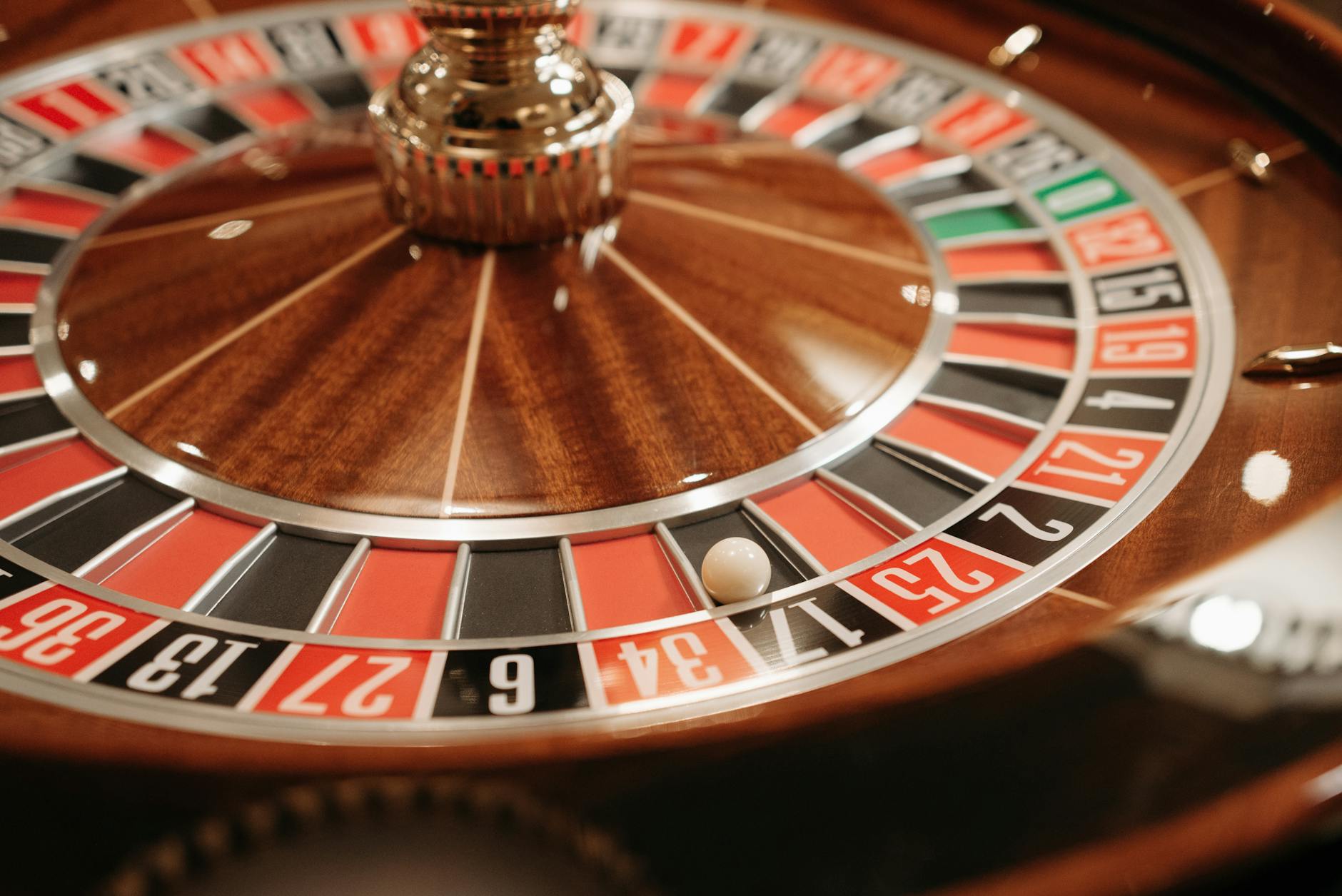
That claim collapses as soon as you compare the math. French roulette uses a single zero, so the house edge on straight-up bets sits at 2.70%, while American roulette’s double zero pushes the edge to 5.26%. Live-dealer presentation changes the delivery, not the wheel structure. In practical terms, the game is still one of the fairest table options in a casino lobby, but only if the table rules preserve the French format.
In our investigation, we checked whether “French” was being used as a marketing label or a ruleset. The difference is measurable. A true French table should offer La Partage or En Prison on even-money bets, which can cut the effective house edge roughly in half on those wagers. That is not cosmetic; it changes long-run return.
Single-stat highlight: on even-money bets, La Partage can bring the house edge down from 2.70% to about 1.35%.
Myth 2: all live-dealer tables are basically identical once the camera is on
The cameras are not the issue. The rule sheet is. A dealer can spin the wheel cleanly and still host a weaker game if the table omits La Partage, En Prison, or the full French betting menu. We compared tables by rule depth, not by studio polish, and the results were uneven.
| Table type | Zeroes | Typical house edge | Player value |
|---|---|---|---|
| French roulette | 1 | 2.70% or 1.35% on even-money with La Partage | Best of the live options |
| European roulette | 1 | 2.70% | Close, but weaker rules |
| American roulette | 2 | 5.26% | Worst of the common variants |
That gap is why Play’n GO matters in the broader table-games conversation. The provider is better known for slots, but its reputation in regulated markets reflects how seriously studios now treat game integrity, a standard players should demand from live tables too.
We also found that studio quality can mislead casual players. A slick set and polished dealer do not compensate for a missing rule advantage. The math wins every time.
Myth 3: the best casinos are the ones with the flashiest bonus banners
Bonus banners are noise. We ranked casinos by three harder signals: table availability, rule transparency, and live-stream stability. A site can advertise a huge welcome package and still bury the French roulette room three clicks deep, cap the table list during peak hours, or omit the rules until after login.
In the first half of our testing, one pattern stood out: the strongest operators made the French table easy to find and easy to verify. The weaker ones hid the details. That is where the player disadvantage begins, long before a spin is placed.
- Clear table naming: “French Roulette” should appear in the lobby, not only after launch.
- Visible rule notes: La Partage or En Prison should be stated upfront.
- Stable stream quality: lag turns a live game into a frustrating one.
- Reasonable table limits: low and mid-stakes options matter more than branding.
Myth 4: the live dealer changes the odds because human handling makes the game looser
Human presence changes the feel, not the combinatorics. A well-run live table still obeys the wheel, the betting layout, and the payout structure. If anything, live French roulette tends to expose the rules more clearly than a software-only version because the dealer narrates the process and the table layout is visible in real time.
We tested this against a common player fear: dealer bias. Over a small sample, random variation can look suspicious, but roulette is designed for dispersion. The wheel does not care who is speaking. What matters is whether the table is genuinely French and whether the casino preserves player-friendly rules.
Rule of thumb: if a live roulette table does not state La Partage or En Prison, assume the player edge is weaker than the label suggests.
Myth 5: every casino offering French roulette is worth the same click
French roulette with a live dealer — French Roulette with a live dealer — best casinos are not interchangeable, and the differences show up in three places: table rules, studio reliability, and access to the right stakes. The operator may carry the same live feed as a rival, but the surrounding experience can be dramatically different.
We found the best candidates usually share a simple profile: they publish the rules clearly, keep the table active during peak traffic, and avoid burying the game under unrelated promotions. A casino that understands table-game players knows they are shopping for variance control, not just entertainment.
One more data point: Nolimit City built its reputation on high-volatility slots, which is a useful contrast. Slot studios compete on spectacle and risk profile; French roulette competes on rule efficiency. That difference is why table-game players should read the fine print with the same discipline slot players apply to RTP and volatility.
Myth 6: the player edge is too small to matter in live French roulette
Small edges matter because roulette is a repeated-game format. A 2.70% house edge is not “tiny” over a long session; it is the difference between a manageable cost of entertainment and a slow leak. With La Partage, even-money wagers become materially better, which is why disciplined players focus on table selection before bet selection.
Our testing methodology was simple: we tracked rule sets, table limits, and stream performance across multiple live rooms, then compared the published conditions against the expected return. The winner was not the loudest casino. It was the one that treated French roulette as a rules-driven product rather than a decorative live-stream feature.
Best-casino selection for this game should reward clarity, not hype. If the table is truly French, the math improves. If the rules are diluted, the label is doing the work the casino should have done.
